Source Greeting Card for Weddings, Birthdays, and Business Events
Find 30 customizable greeting card options with varied designs and materials. Buyers can compare features like printing processes, sizes, and embellishments to match specific holiday or event needs.
Key considerations
Products List







Comprehensive Sourcing Guide
Strategic Sourcing Guide for Customizable Greeting Cards
The global market for greeting cards has evolved from simple paper stock to a sophisticated category of customizable, multi-functional communication tools. For B2B procurement professionals, sourcing greeting cards requires a nuanced understanding of material science, printing technologies, and supply chain logistics. The current landscape is dominated by products that offer extensive customization, ranging from standard paper stock to coated finishes, with specific models like S-1013C, S-1105, and S-1004 representing distinct variations in size and feature sets. This guide outlines the critical factors for evaluating suppliers and products in this sector, ensuring that procurement decisions are grounded in verified technical specifications rather than marketing assertions.
Technical Specifications and Material Composition
The foundation of any successful greeting card procurement lies in the precise definition of technical specifications. The supplied data indicates a primary material composition of paper, often treated with a coating to enhance durability and visual appeal. This coating is a critical differentiator, as it affects the tactile experience and the quality of the final print. Buyers must verify the specific type of coating used, as it influences ink adhesion and resistance to wear. The processing methods observed in the market include standard printing and customizable processing techniques, allowing for complex design integrations.
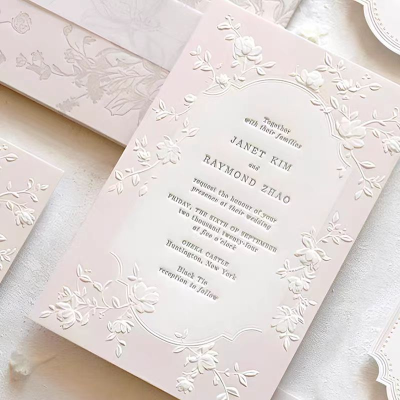
Size specifications are rarely uniform in this category. The data highlights "Customized" and "customization" as standard attributes, suggesting that bulk orders often require bespoke dimensions rather than off-the-shelf sizes. Specific model numbers such as S-1015 and S-1207 imply a structured product line where dimensions and structural integrity vary by model. Furthermore, the inclusion of embellishments such as die-cutting, foiling, embossing, and glitter indicates a high level of post-processing capability required by the supply chain. These embellishments are not merely aesthetic; they add significant value but also introduce complexity to the manufacturing process. Buyers should explicitly request technical sheets detailing the weight of the paper, the thickness of the coating, and the tolerances for die-cut precision to ensure the final product meets brand standards.
Design Flexibility and Customization Capabilities
The core value proposition for many greeting card suppliers is the degree of customization available. The observed attributes confirm that "Customization" is available across the board, with options for custom logos, designs, and colors. The design styles range from "Modern" to "Classic," and the data notes that designs can be "Different" or "Various," indicating a broad portfolio of templates and the ability to create unique assets from scratch. This flexibility extends to the product name and intended usage, which can be tailored to specific events such as weddings, business functions, or birthdays.
A critical aspect of customization is the acceptance of custom printing. The data explicitly states "Customized Printing Accept," which is a prerequisite for branded corporate communications. However, buyers must distinguish between template-based customization and full bespoke design services. The presence of specific model numbers like JWD 010524 suggests that some suppliers offer standardized customizable units, while others may operate on a fully made-to-order basis. When evaluating design capabilities, procurement teams should assess the supplier's capacity to handle complex graphic files, their turnaround time for design proofs, and their ability to manage color matching for custom branding. The attribute "All Customized" suggests a high degree of flexibility, but this must be validated against the supplier's actual workflow and quality control measures for unique designs.
Compliance, Certification, and Standards Verification
In the B2B sector, compliance is as important as aesthetics. The supplied facts mention specific standards, including "CE" and "A4," which serve as reference points for regulatory adherence and dimensional consistency. The "CE" marking is a crucial indicator of conformity with health, safety, and environmental protection standards for products sold within the European Economic Area. However, the data notes "prod_standard: customize," which implies that standard certifications may vary depending on the specific product configuration or the destination market. Buyers cannot assume that every listed product carries CE certification; this must be verified on a per-order basis.
Similarly, the "A4" standard likely refers to a specific paper size or printing format rather than a universal product standard. Procurement teams must clarify whether the supplier adheres to international paper standards (such as ISO 216) or if they operate on proprietary sizing. The origin of the products, noted as "China" and specifically "Hunan" or "GUANFDONG" (Guangdong), adds another layer of complexity regarding regulatory compliance. Different regions within China may have varying environmental regulations and labor standards. Buyers should request valid certification documents for the specific batch of goods, ensuring that the "CE" or other claimed standards are current and applicable to the specific material and manufacturing process used. Relying on general claims without documented proof can lead to significant compliance risks in international trade.
Cost Drivers and Economic Considerations
Understanding the cost structure of greeting cards is essential for budgeting and negotiation. The observed price range in the market spans from $0.01 to $39.8, a wide variance that reflects differences in material quality, customization depth, and order volume. The Minimum Order Quantity (MOQ) ranges from 1 to 2000 units, indicating that suppliers cater to both small-batch prototyping and large-scale industrial distribution. The specific mention of an MOQ of 200pcs for certain items suggests that smaller orders may incur higher per-unit costs due to setup fees for printing and customization.
Several factors drive the final cost. First, the material choice, specifically the type of paper and coating, directly impacts the base price. Second, the complexity of the processing, such as the inclusion of foiling, embossing, or die-cutting, adds labor and machine time costs. Third, the level of customization, including custom design work and logo integration, introduces additional fees. The "Selling Units: Single item" attribute suggests that some suppliers may offer low-volume options at a premium, while bulk orders leverage economies of scale. Buyers should analyze the total cost of ownership, including shipping, which is influenced by the product origin and packing methods like "Carton" or "Box." Understanding these drivers allows for more effective negotiation and helps in selecting the right supplier for specific volume requirements.
Typical Applications and Market Segmentation
The versatility of greeting cards is evident in their diverse applications. The data lists usage scenarios ranging from "wedding, business, birthday" to "Every Holiday" and "Christmas." This broad applicability means that suppliers must be capable of producing cards that resonate with different emotional and functional contexts. The "Suitable Gender: Unisex" and "Suitable Age Range: Any Age" attributes indicate that the products are designed for mass appeal, making them suitable for general corporate gifting or broad consumer markets.
Specific models like S-1105, which feature "Push Button Activated" recording times of 10s, 20s, 30s, or 60s, introduce an electronic or interactive element to the traditional greeting card. This suggests a market segment that values innovation and multimedia engagement. The "Usage: Dieverse" and "Usage: Diverse" attributes further emphasize the need for suppliers to adapt to niche markets. Whether for corporate branding, personal celebrations, or specialized events, the procurement strategy must align with the intended use case. For instance, business cards may require a "Classic" design with high durability, while holiday cards might prioritize "Glitter" and "Foiling" for visual impact. Buyers should clearly define the end-user context to ensure the selected product meets the functional and emotional expectations of the recipient.
Supplier Evaluation and Quality Control Protocols
Selecting the right supplier requires a rigorous evaluation process that goes beyond price and lead time. The data indicates a concentration of suppliers in China, specifically in Hunan and Guangdong, which are known manufacturing hubs. However, the variation in product models and standards necessitates a detailed vetting process. Buyers should verify the supplier's production capacity, specifically their ability to handle "Customizable" processing and "Customized Printing." The presence of specific model numbers suggests a structured inventory, but the "Customized" nature of the product means that quality control must be applied to every unique order.
Quality control protocols should focus on the consistency of the coating, the precision of the die-cutting, and the accuracy of the printing colors. Given the "Embellishments" like glitter and foiling, visual inspection is critical to ensure these elements are applied correctly and do not detract from the card's integrity. Buyers should request samples of previous work, particularly for custom orders, to assess the supplier's ability to replicate designs accurately. Additionally, the "prod_packing" options of "Carton" or "Box" should be evaluated for their ability to protect the cards during transit, especially for delicate embellishments. Establishing clear quality benchmarks and conducting regular audits of the supplier's facilities can mitigate the risks associated with high customization and ensure consistent product delivery.
Long-Term Procurement and Supply Chain Resilience
For long-term procurement success, buyers must consider the scalability and reliability of their supply chain. The wide range of MOQs (1-2000) offers flexibility, but it also requires careful inventory management. Suppliers with the ability to handle both small and large orders can be valuable partners for businesses with fluctuating demand. However, the "Lead Time" and "Production Capacity" are not explicitly detailed in the provided facts, making it essential for buyers to negotiate clear timelines during the contract phase.
The "Customized" nature of the products means that supply chain disruptions can have a significant impact. Buyers should develop contingency plans, such as maintaining relationships with multiple suppliers or keeping safety stock of standard models. The "Design Style: Different" and "Design: Customized Desgin" attributes suggest that product lines can evolve rapidly. Procurement teams should work closely with suppliers to anticipate market trends and adjust orders accordingly. Furthermore, the "Standard: customize" attribute highlights the need for ongoing communication regarding regulatory changes and material availability. By fostering a collaborative relationship with suppliers, buyers can ensure a steady flow of high-quality, customized greeting cards that meet their evolving business needs.
FAQs
What materials are used for these greeting cards?
The primary material is paper, often treated with a coating to enhance durability and visual appeal. This coating affects ink adhesion and resistance to wear, ensuring a high-quality tactile experience for the final product.
Can I customize the size and design of the cards?
Yes, customization is available for size, design, color, and logos. The products support various design styles from modern to classic, with options for die-cutting, foiling, and embossing to meet specific event needs.
What are the minimum order quantities for these products?
The minimum order quantity ranges from 1 to 2000 units depending on the specific model and customization level. Some items have a specific MOQ of 200 pieces, while others allow for single-item purchases at a premium.
Which certifications do the greeting cards meet?
Some products meet CE standards, while others are customized to specific requirements. Buyers must verify certification documents for each batch, as the standard may vary based on the product configuration and destination market regulations.
Where are these greeting cards manufactured?
The products originate from China, with specific locations noted as Hunan and Guangdong. These regions are known manufacturing hubs, though buyers should verify specific facility details for compliance and quality control purposes.
What customization options are available for printing?
Customized printing is accepted, allowing for unique logos, designs, and colors. The processing includes standard printing and customizable techniques, supporting complex design integrations for corporate branding or personal celebrations.